

Sourdough Pizza
Serves: 12" pizza
Ingredients
For the dough
- 125 g Strong white bread flour
- 25 g Sourdough starter
- 80 ml Water tepid
- 3 g Sea salt
- 1/2 tbsp Olive oil
- 1 tbsp Semolina Rimacinata for dusting
For the sauce
- 15 g Tomato puree 1 tbsp
- 100 ml Chopped tomatoes
- 1/4 tsp Dried oregano
- 4 g Granulated sugar 1 tsp
- 1 clove Garlic minced, optional
For the toppings
- 80 g Mozzarella torn
- 1/4 Red onion sliced
- 5 g Fresh basil 1 tbsp, chopped
- 1/4 Roasted red pepper from a jar, sliced
- 40 g Prosciutto or Nduja
- 20 g Rocket
- 20 g Parmesan shaved
- 30 g Olives black or green, halved
- Sea salt to taste
- Cracked black pepper to taste
Method
- Place the strong white bread flour, sourdough, tepid water, sea salt and olive oil into a bowl. Mix until a rough dough forms.
- Tip onto a work surface and knead for 8–10 minutes until smooth, elastic and slightly tacky. Cover and leave to prove for 1 hour, or until risen.
- Meanwhile, make the sauce. Place the tomato puree, chopped tomatoes, oregano, sugar and garlic, if using, into a bowl and mix well.
- If using vegetables or cured meats with a high water content, cook them briefly in a pan to remove excess moisture.
- Divide the dough into equal portions and shape into dough balls. Lightly dust the work surface or trays with semolina, then stretch each dough ball into a pizza base.
- Spoon a thin layer of sauce over each base, leaving a small border around the edge.
- Add the mozzarella and your chosen toppings. Season with sea salt and cracked black pepper.
- Bake in a preheated oven at 250°C for 6–8 minutes, until the base is crisp, the crust is risen and lightly charred, and the toppings are cooked through.
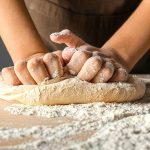
Sourdough Crackers
Makes about 8 small crackers
Serves: Serving
Ingredients
- 100 g Sourdough starter
- 30 g Butter melted
- 60 g Strong white bread flour
- 3 g Sea salt equals to 1 tsp
- 2 g Fresh rosemary 1/2 tbsp, chopped, optional
- 2 g Sesame seeds 1/2 tsp, or any other spices you like, optional
Method
- Place the sourdough, melted butter, strong white bread flour and sea salt into a bowl. Mix until a firm dough forms.
- Add the rosemary or spices, if using, and mix until evenly combined.
- Tip onto a lightly floured work surface and roll out as thinly as possible.
- Transfer to a parchment-lined tray. Sprinkle with a little extra sea salt and any additional herbs or spices, if using.
- Cut or score into shards.
- Bake in a preheated oven at 180°C for 15 minutes, until golden, crisp and evenly coloured.
- Leave to cool completely before serving.

Traditional Bread Loaf - Basic Dough
Serves: loaf
Ingredients
- 500 g Strong white bread flour
- 10 g Sea salt
- 10 g Granulated sugar
- 100 g Butter softened
- 30 g Fast action dried yeast
- 250 ml Water warm
Method
- Place the strong white bread flour, sea salt and sugar into a bowl and mix well.
- Add the butter and rub into the flour until evenly combined.
- Make a well in the centre.
- Place the yeast into a small bowl, add a little of the warm water and mix until dissolved.
- Pour the yeast mixture into the flour, then gradually add the remaining warm water, mixing until a dough forms.
- Tip onto a work surface and knead for 8–10 minutes until smooth, soft and pliable.
- Return to the bowl, cover and leave to prove for around 20 minutes, or until doubled in size.
- Tip the dough onto the work surface and gently knock back, without adding extra flour.
- Shape as desired, place onto trays or into tins, cover and leave to prove again until doubled in size.
- Bake at 210°C for 10–12 minutes for rolls or smaller shapes, until golden brown and hollow sounding when tapped underneath.
- For a loaf, bake for 30–40 minutes. After the first 10 minutes, reduce the oven temperature to 200°C and continue baking until fully cooked.

Seeded Bagels
This makes about six bagels
Serves: Serving
Ingredients
For the dough
- 170 ml Water tepid
- 5 g Fast action dried yeast
- 300 g Strong white bread flour
- 10 g Sea salt
- 1 tsp Malt extract
For the water bath
- 2 tbsp Malt extract or brown sugar
- 5 g Bicarbonate of soda equals to 1 tsp
For finishing
- 1 Medium Egg beaten
- 1 tbsp Poppy seeds
- 1 tbsp Nigella seeds
- 1 tbsp Sesame seeds
- 1 tbsp Pumpkin seeds
- 1 tbsp Sunflower seeds
Method
- Place the tepid water, yeast and malt extract into a bowl and mix well. Add the strong white bread flour, then sprinkle over the sea salt.
- Bring the dough together by hand, then tip onto a work surface and knead for 8–10 minutes until smooth and elastic.
- Return to the bowl, cover and leave to prove for 1 hour, or until doubled in size.
- Divide the dough into 6 equal portions, around 80 g each, and roll into smooth balls. Leave to rest for 5 minutes.
- Dust your finger with flour, make a hole through the centre of each ball, then gently stretch to form a bagel shape.
- Place onto a parchment-lined tray lightly dusted with flour. Cover and leave to rest for 25 minutes.
- Preheat the oven to 180°C fan.
- For the water bath, fill a pan halfway with water. Add the malt extract, or brown sugar, and bring to the boil. Reduce to a medium heat, then whisk in the bicarbonate of soda.
- Gently lower the bagels into the water, 2–3 at a time, allowing room to move. Poach for 30 seconds on each side. Remove with a slotted spoon and return to the tray.
- Brush each bagel with beaten egg, then sprinkle with your chosen seeds.
- Bake for 18–20 minutes, turning the tray if needed, until golden brown.
- Remove from the oven, cover with a clean tea towel and transfer to a wire rack to cool completely.

Sourdough Pretzels
This makes about six pretzels
Serves: Serving
Ingredients
For the dough
- 50 g Sourdough starter
- 250 g Strong white bread flour
- 130 ml Water warm
- 15 g Granulated sugar
- 5 g Sea salt
For boiling
- 2 litre Water
- 60 g Bicarbonate of soda
For finishing
- 1 Medium Egg
- 20 ml Water
- Sea salt to taste
- 1 tsp Poppy seeds optional
- 1 tsp Sesame seeds optional
- 1 tsp Nigella seeds optional
Method
- Place the sourdough starter, warm water, strong white bread flour, granulated sugar and sea salt into a bowl and mix until a dough forms.
- Transfer to a work surface and knead for 8–10 minutes until smooth. The dough will feel firm rather than soft and elastic.
- Return the dough to the bowl, cover and leave to prove until doubled in size.
- Divide the dough into 12 equal pieces, around 80 g each. Roll each piece into a ball, then shape into long ropes. Twist into pretzel shapes, or leave as bread sticks.
- Divide the dough into 6 equal pieces. Roll into balls, then shape into long ropes and twist into pretzel shapes.
- Place onto lined trays, cover and leave to prove while preparing the water bath.
- Heat the oven to 200°C.
- Bring the water to the boil in a pan and carefully whisk in the bicarbonate of soda.
- Lower the pretzels into the water, 2–3 at a time, and poach for 30 seconds. Remove with a slotted spoon and return to the trays.
- Beat the egg with the water to make an egg wash, then brush over the pretzels. Sprinkle with sea salt or your chosen seeds.
- Bake for 20–25 minutes until deep golden brown.
- Transfer to a wire rack and allow to cool slightly before serving.
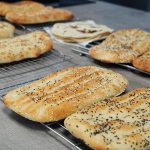
Sourdough Flatbread
Demo By Victoria
Serves: People
Ingredients
- 200 g Sourdough starter
- 100 g Strong white bread flour
- 5 g Sea salt equals to 1 tsp
- 1 tbsp Olive oil
Method
- Place the sourdough starter, strong white bread flour, sea salt and olive oil into a bowl. Mix until a soft dough forms.
- Tip onto a lightly floured work surface and knead briefly until smooth.
- Divide the dough into equal portions, then roll each piece into a thin round.
- Heat a pan over a medium-high heat.
- Cook the flatbreads for 1–2 minutes on each side, until lightly coloured with charred spots and cooked through.
- Serve warm.